
Decompression in Lake Nona: A Non-Surgical Option for Herniated Discs, Sciatica, and Degenerative Disc Pain
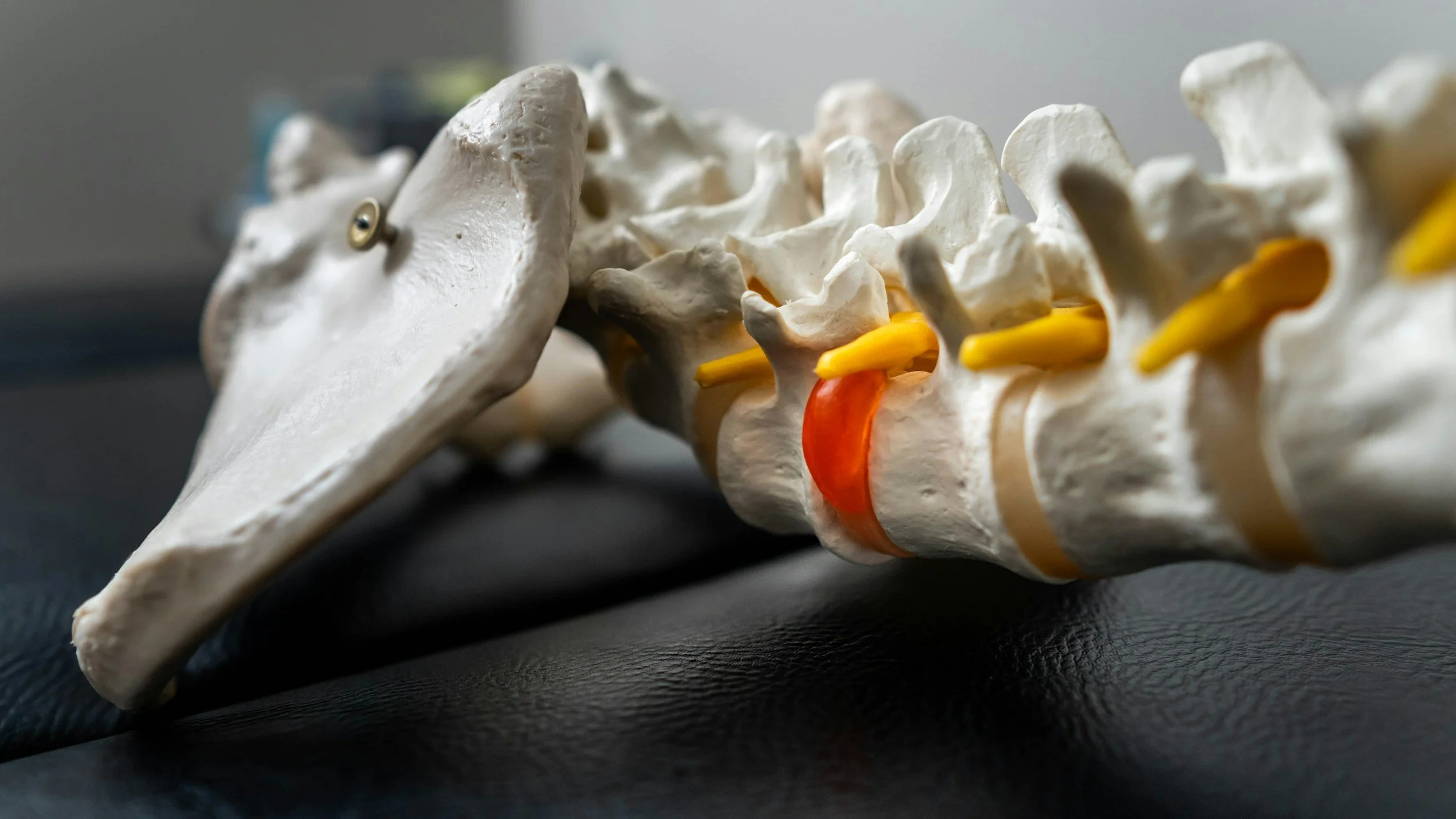
Back pain, neck pain, sciatica, numbness, tingling, or pain that travels into the arms or legs can often be traced back to one important structure: the spinal disc.
The discs sit between the bones of the spine and act like cushions, shock absorbers, and spacers. A healthy disc contains fluid, maintains height, and helps create room for the nerves that exit the spine. Over time, injury, repetitive stress, poor posture, aging, trauma, or spinal degeneration can cause the disc to lose hydration and height. As the disc becomes compressed or irritated, it may contribute to bulging discs, herniated discs, degenerative disc disease, spinal stenosis, and radiating nerve pain.
At Lake Nona Family Chiropractic and Scoliosis Center in Orlando, Florida, we help patients with disc-related neck and back pain, including herniated discs, bulging discs, sciatica, degenerative disc disease, and radiating nerve symptoms. For appropriate patients, non-surgical spinal decompression may be used to gently reduce pressure on injured spinal discs, improve disc spacing, support disc hydration, and reduce irritation on nearby nerves.
What Is Spinal Decompression?
Non-surgical spinal decompression is a specialized form of traction that uses controlled, targeted force to gently distract specific areas of the spine. Unlike general stretching, modern decompression therapy is designed to reduce pressure inside the disc while helping the surrounding muscles stay relaxed.
The goal is not simply to “stretch the back.” The goal is to change the pressure environment inside the disc.
When a disc is compressed, irritated, or injured, pressure can build within the disc and around the nerve roots. Spinal decompression is designed to reduce that pressure, which may allow the disc to draw in fluid and nutrients, improve disc spacing, and reduce mechanical irritation on nearby nerves.
For patients with herniated discs, bulging discs, sciatica, or degenerative disc disease, this may create a better environment for healing and symptom relief.
How Spinal Decompression May Help the Degenerative Process
Degenerative disc disease is often described as “wear and tear,” but one of the major changes that occurs is loss of water content within the disc. As the disc dehydrates, it can lose height and become less effective at absorbing shock. This can place more stress on the joints, ligaments, muscles, and nerves of the spine.
Spinal decompression may help improve some of the mechanical effects associated with disc degeneration, including reduced disc height, increased pressure, and poor fluid exchange. By gently reducing pressure inside the disc, decompression may help support better hydration, improved disc spacing, and reduced nerve irritation.
It is important to understand that spinal decompression does not make every degenerated disc “new” again. However, by improving the mechanical environment around the disc, it may help support some of the measurable and functional changes associated with healthier disc behavior.
In other words, decompression may help the spine move away from constant compression and toward improved fluid exchange, improved spacing, and reduced irritation of sensitive spinal structures.
Spinal Decompression and Disc Hydration
Spinal discs do not have a strong direct blood supply like muscles do. Instead, they depend heavily on pressure changes, movement, and fluid exchange to help move nutrients in and waste products out.
When a disc is constantly compressed, injured, or inflamed, that natural exchange can become more difficult. This is one reason disc dehydration is commonly associated with degenerative disc disease.
Spinal decompression gently reduces pressure inside the disc. This pressure change may help the disc draw in fluid, similar to how a sponge can reabsorb water after pressure is released. Better hydration may improve the cushioning quality of the disc and may reduce stress on nearby joints, nerves, and soft tissues.
This is especially relevant for patients with degenerative disc disease, disc height loss, bulging discs, and chronic disc-related pain.
Spinal Decompression and Herniated Discs
A herniated disc occurs when disc material pushes outward and can irritate or compress a nearby nerve root or, in more serious cases, the spinal cord. This can lead to symptoms such as sciatica, shooting pain, burning, numbness, tingling, or weakness.
Spinal decompression is designed to reduce pressure on the injured disc and create a gentle pulling effect that may help reduce the pressure of a bulge or herniation. In practical terms, the goal is to help move herniated disc material away from the nerve or spinal cord so the irritated tissue has a better chance to calm down.
For many patients, this is why decompression is considered when symptoms are not limited to the back or neck, but travel into the arms, hands, hips, legs, or feet.
What Does the Research Say About Spinal Decompression?
Research on non-surgical spinal decompression suggests that it may help certain patients with disc-related pain by changing the pressure environment inside the disc.
A study by Ramos and Martin measured intradiscal pressure during vertebral axial decompression and found that decompression could significantly reduce pressure inside the lumbar disc. This supports one of the main proposed mechanisms of spinal decompression: creating a negative-pressure effect within the disc.
A clinical study by Apfel and colleagues found that patients treated with non-surgical spinal decompression experienced reduced pain and increased disc height. Because loss of disc height is one of the common findings in degenerative disc disease, this supports the idea that decompression may help improve some of the functional effects associated with disc degeneration.
A randomized study by Choi and colleagues evaluated patients with lumbar disc herniation and found that the decompression group had a greater reduction in herniation measurements compared with a non-decompression group. This supports the use of decompression for selected patients with disc herniations and nerve-related symptoms.
While results vary from patient to patient, these studies support the clinical rationale for using spinal decompression in carefully selected cases of disc-related pain, herniated discs, sciatica, and degenerative disc disease.
Conditions That May Respond to Spinal Decompression
Spinal decompression may be considered for certain patients with:
Herniated discs
Bulging discs
Degenerative disc disease
Sciatica
Radiating arm or leg pain
Disc-related neck pain
Disc-related low back pain
Nerve irritation related to disc compression
Symptoms that worsen with sitting, bending, lifting, or spinal compression
Not every patient is a candidate. A proper consultation and examination are important, especially if there is severe weakness, progressive neurological change, fracture, cancer history, infection, surgical hardware, advanced osteoporosis, or other complicating medical conditions.
Why Evaluation Matters
The most effective care begins with understanding the cause of the symptoms. Two people can both have “low back pain” but need very different treatment plans.
One patient may have a herniated disc irritating a nerve. Another may have facet joint pain, spinal instability, stenosis, scoliosis, muscular compensation, or a combination of multiple factors.
At Lake Nona Family Chiropractic and Scoliosis Center, spinal decompression is considered as part of a broader clinical picture. The goal is not only to reduce pain, but to improve function, reduce nerve irritation, and support long-term spinal health.
Depending on the case, decompression may be combined with chiropractic care, therapeutic exercise, postural correction, soft tissue therapies, spinal stabilization exercises, scoliosis care, or lifestyle strategies designed to reduce the stress being placed on the spine.
A Non-Surgical Option for Disc-Related Pain in Lake Nona
Many patients with disc-related pain are looking for options before considering injections or surgery. Spinal decompression offers a conservative, non-surgical approach for appropriate candidates.
By helping reduce pressure inside the disc, improve disc spacing, support hydration, and reduce the mechanical pressure of bulges or herniations on nerves, spinal decompression may help the body move toward healing rather than simply masking symptoms.
If you are experiencing back pain, neck pain, sciatica, numbness, tingling, or pain traveling into the arms or legs, a consultation can help determine whether spinal decompression may be appropriate for your condition.
Lake Nona Family Chiropractic and Scoliosis Center provides non-surgical spinal decompression for patients in Lake Nona, Orlando, and the surrounding Central Florida area.
Frequently Asked Questions About Spinal Decompression in Lake Nona:
Is spinal decompression the same as traction?
Spinal decompression is a specialized form of traction that uses controlled, targeted force to gently reduce pressure on specific spinal discs. The goal is to help create a negative-pressure environment inside the disc while keeping the surrounding muscles relaxed.
Can spinal decompression help a herniated disc?
For some patients, yes. Spinal decompression may help reduce pressure inside the disc and decrease irritation around nearby nerves. Research has shown reductions in herniation measurements in some patients treated with non-surgical decompression.
Can spinal decompression help degenerative disc disease?
Spinal decompression may help improve some of the mechanical effects associated with degenerative disc disease, including reduced disc spacing, increased disc pressure, and poor fluid exchange. It does not make every degenerated disc “new” again, but it may help create a healthier environment for the disc and surrounding nerves.
Can spinal decompression help sciatica?
Sciatica often occurs when a nerve in the lower back becomes irritated or compressed. If the sciatica is related to a bulging disc, herniated disc, or disc-related compression, spinal decompression may be considered as part of a conservative treatment plan.
Is spinal decompression painful?
Most patients describe decompression as gentle and relaxing. The treatment is designed to reduce pressure, not force the spine aggressively.
Who is not a candidate for spinal decompression?
Spinal decompression may not be appropriate for patients with certain conditions, including fracture, spinal cancer, infection, advanced osteoporosis, severe instability, certain surgical hardware, or progressive neurological deficits. A consultation and examination are necessary to determine whether decompression is appropriate.
Where can I get spinal decompression in Lake Nona?
Lake Nona Family Chiropractic and Scoliosis Center provides non-surgical spinal decompression for appropriate patients with disc-related back pain, neck pain, sciatica, herniated discs, bulging discs, and degenerative disc disease.
About Lake Nona Family Chiropractic and Scoliosis Center
Lake Nona Family Chiropractic and Scoliosis Center is located in Orlando, Florida, and serves patients throughout Lake Nona and the surrounding Central Florida area. The office provides chiropractic care, scoliosis care, non-surgical spinal decompression, SoftWave therapy, corrective exercise, and conservative spine care for patients with neck pain, back pain, disc-related pain, sciatica, scoliosis, and nerve-related symptoms.
This article was written by Lake Nona Family Chiropractic and Scoliosis Center for educational purposes. A consultation and examination are necessary to determine whether spinal decompression is appropriate for your specific condition.
Frank Berzanskis Jr.
Doctor of Chiropractic
Trauma and MRI Review Qualified through Cleveland University, Kansas City
ScoliBrace Certified
ScoliBalance Certified
References
Ramos G, Martin W. Effects of vertebral axial decompression on intradiscal pressure. J Neurosurg. 1994;81(3):350-353. doi:10.3171/jns.1994.81.3.0350
Apfel CC, Cakmakkaya OS, Martin W, Richmond C, Macario A, George E, Schaefer M, Pergolizzi JV. Restoration of disk height through non-surgical spinal decompression is associated with decreased discogenic low back pain: a retrospective cohort study. BMC Musculoskelet Disord. 2010;11:155. doi:10.1186/1471-2474-11-155
Choi E, Gil HY, Ju J, Han WK, Nahm FS, Lee PB. Effect of nonsurgical spinal decompression on intensity of pain and herniated disc volume in subacute lumbar herniated disc. Int J Clin Pract. 2022;2022:6343837. doi:10.1155/2022/6343837
Koçak FA, Tunç H, Sütbeyaz ST, Akkuş S, Köseoğlu BF, Yılmaz E. Comparison of the short-term effects of conventional motorized traction with non-surgical spinal decompression performed with a DRX9000™ device on pain, functionality, depression, and quality of life in patients with low back pain associated with lumbar disc herniation: a single-blind randomized-controlled trial. Turk J Phys Med Rehabil. 2018;64(1):17-27. doi:10.5606/tftrd.2017.154
Urban JPG, Roberts S. Degeneration of the intervertebral disc. Arthritis Res Ther. 2003;5(3):120-130. doi:10.1186/ar629
Scarcia L, Degan M, Milano G, et al. Degenerative disc disease of the spine: from anatomy to pathophysiology and radiological appearance, with morphological and functional considerations. J Pers Med. 2022;12(11):1921. doi:10.3390/jpm12111921